

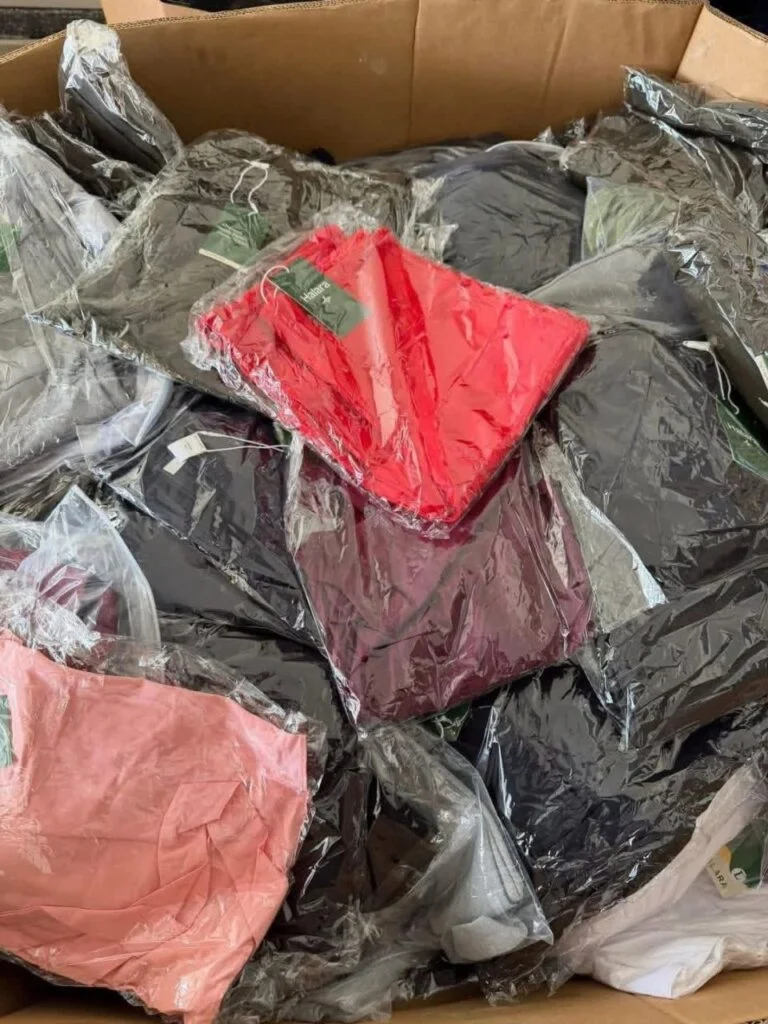
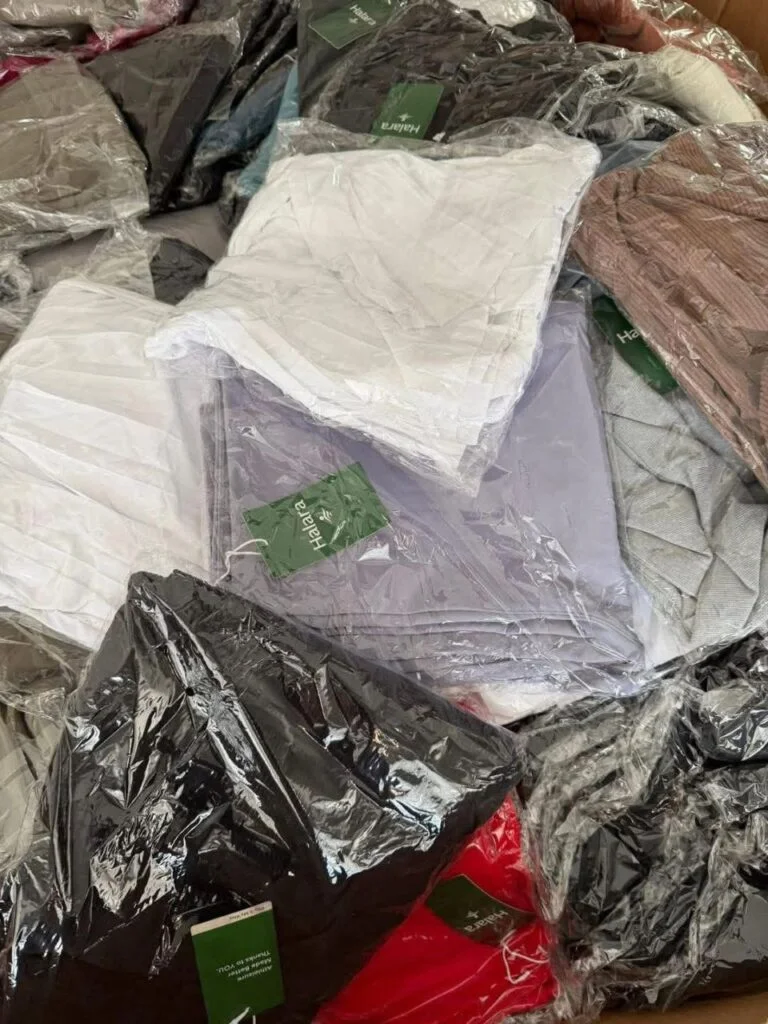
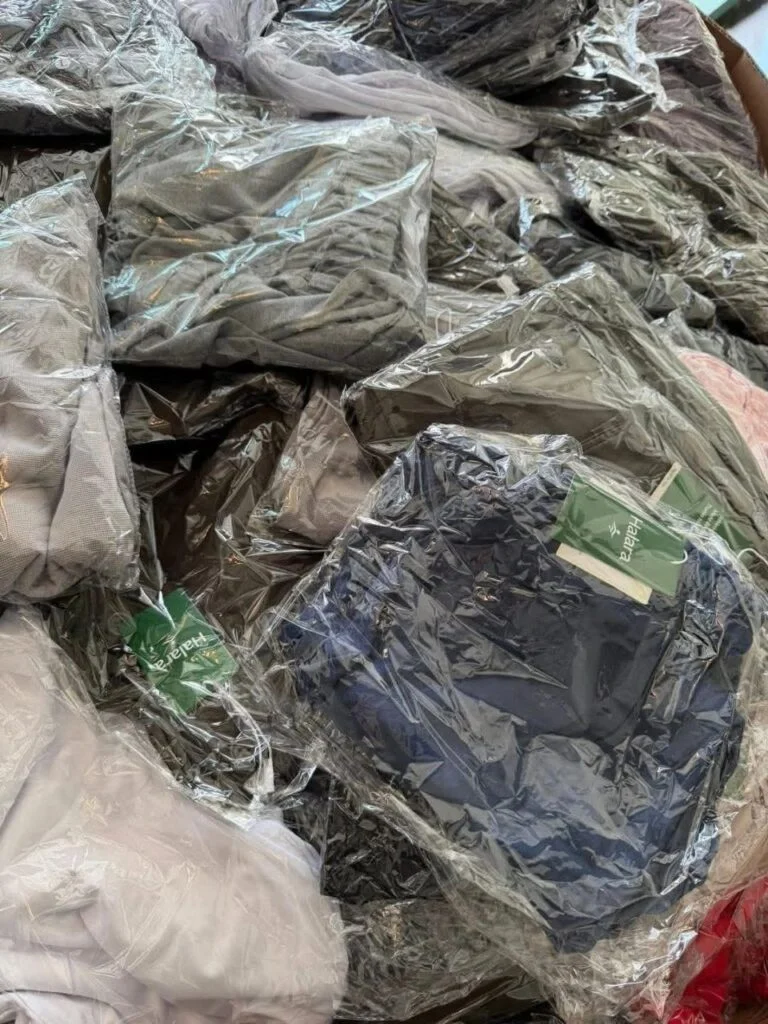
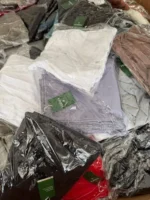
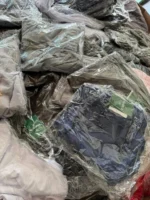
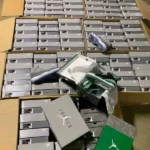
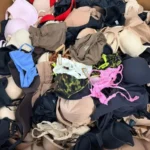
Halara Clothing Pallet
$750.00
- Pallet Price: $750
- Total Units: 300 Pieces
- Cost Per Item: ~$2.50 per piece
- Estimated Retail Value: $6,000 – $12,000+
- Estimated Profit Potential: $5,250 – $11,250+
Example Resale Scenario:
- Average resale price per item: $20 – $40
- Potential total revenue: $6,000 – $12,000+
- Estimated ROI: 5x – 10x investment potential
Clothes Pallets for Sale: Buy Wholesale Clothing Pallets at Competitive Prices
If you are looking for clothes pallets for sale, buying clothing in bulk can be an effective way to build inventory, expand a resale business, or source affordable fashion products for your customers. Clothing pallets contain large quantities of apparel that can include new, overstock, customer returns, liquidation merchandise, seasonal clothing, and assorted fashion items from recognized retailers and brands.
The wholesale clothing market continues to create opportunities for retailers, online sellers, thrift stores, boutique owners, market vendors, and social media entrepreneurs. Instead of purchasing individual garments at retail prices, buying wholesale clothing pallets allows businesses to acquire inventory in larger quantities and potentially increase their profit margins.
From everyday apparel and activewear to women’s fashion, men’s clothing, children’s clothing, and trending social-media products, there are many types of clothing pallets available. Buyers can choose inventory based on their target customers, preferred brands, condition, quantity, and resale strategy.
This guide explains how clothing pallets for sale work, what you should look for before purchasing, how to evaluate pallet value, and how to turn bulk clothing inventory into a profitable resale opportunity.
What Are Clothes Pallets for Sale?
Clothes pallets for sale are bulk shipments of clothing products packaged on pallets for wholesale distribution. A single pallet may contain dozens or hundreds of individual garments depending on the type of clothing, packaging method, product value, and supplier.
These pallets are commonly sourced from retailers, manufacturers, distributors, liquidation companies, department stores, online marketplaces, and other commercial supply chains. Products may be sold because they are overstocked, discontinued, seasonal, returned, or being cleared from inventory.
The exact contents of a pallet can vary considerably. Some pallets contain one specific category, while others contain assorted clothing for different customer groups.
Common examples include:
- Women’s clothing pallets
- Men’s clothing pallets
- Children’s clothing pallets
- Baby clothing pallets
- Activewear pallets
- Seasonal clothing pallets
- Designer clothing pallets
- Mixed clothing pallets
- Boutique clothing pallets
- Customer-return clothing pallets
- Overstock clothing pallets
- Brand-name clothing pallets
- Online-return clothing pallets
For resellers, the main advantage is volume. Instead of sourcing individual pieces from multiple suppliers, a buyer can acquire a substantial quantity of inventory through one wholesale purchase.
Why Buy Clothing Pallets for Resale?
Buying clothing in bulk can provide several advantages when the inventory is selected carefully. The most important benefit is access to wholesale quantities at prices that can be substantially lower than traditional retail purchasing.
A reseller can purchase a pallet, sort the products, determine individual selling prices, and sell the inventory through several channels.
Popular resale channels include:
- Online stores
- Facebook Marketplace
- TikTok
- eBay
- Local markets
- Clothing boutiques
- Pop-up shops
- Flea markets
- Consignment stores
- Live-selling platforms
- Personal websites
The ability to divide a pallet into individual products gives businesses flexibility. A buyer does not necessarily have to sell the entire pallet to one customer. Instead, individual garments can be photographed, listed, marketed, and sold separately.
Another benefit is the opportunity to test different products. A mixed pallet may provide a broad selection of styles, sizes, colors, and categories that can help a new seller determine which products perform best.
Types of Clothing Pallets Available
The clothing liquidation market is broad, which means buyers can select pallets according to their business model. Understanding the different types of inventory can help you choose a pallet that matches your customers and resale strategy.
Women’s Clothing Pallets
Women’s apparel is one of the largest categories in the wholesale clothing market. Women’s pallets can contain dresses, tops, jeans, leggings, jackets, activewear, sweaters, skirts, and other fashion products.
Because women’s fashion changes frequently, liquidation suppliers often have inventory from previous seasons, excess stock, discontinued collections, and customer returns.
Men’s Clothing Pallets
Men’s clothing pallets can include shirts, trousers, jeans, jackets, hoodies, shorts, activewear, workwear, and casual apparel.
These pallets can be particularly useful for retailers targeting customers who want affordable everyday clothing.
Children’s Clothing Pallets
Children’s apparel can provide another strong resale opportunity. Depending on the supplier, pallets may include clothing for babies, toddlers, young children, or teenagers.
Popular categories include:
- Kids’ shirts
- Children’s dresses
- Jeans
- Hoodies
- Jackets
- Pajamas
- School clothing
- Activewear
Activewear and Fitness Clothing Pallets
Demand for athletic and casual activewear has created opportunities for businesses selling leggings, sports tops, joggers, sweatshirts, shorts, and other fitness-related clothing.
Activewear can work particularly well for online sellers because many products are easy to photograph and ship.
Mixed Clothing Pallets
Mixed pallets contain different types of clothing. They may be appropriate for sellers who want variety rather than a single product category.
Mixed pallets can contain multiple brands, sizes, styles, and product types. This gives sellers a wider selection but also means the exact contents may be less predictable.
Halara Clothes and Halara Clothing Pallets
Halara clothes and Halara clothing have become recognizable terms among shoppers interested in fashionable activewear and casual apparel. Halara products are commonly associated with leggings, dresses, skirts, tops, activewear, and comfortable everyday styles.
For resellers, Halara-related liquidation inventory can be attractive because fashionable activewear and casual clothing can perform well through online channels.
When purchasing a pallet containing Halara clothing, buyers should confirm the supplier’s description and understand exactly what is included. A pallet described as containing a particular brand should ideally provide sufficient information about the product category, condition, approximate quantity, and sourcing.
Buyers should also distinguish between verified branded inventory and generic or similar-looking products. Product authenticity, condition, and accurate descriptions are important when building a long-term resale business.
If a pallet includes Halara clothes, sellers can create targeted listings around specific products rather than simply advertising the entire pallet. For example, individual activewear pieces can be marketed according to their style, size, color, and intended use.
This approach allows a reseller to reach different customer segments while maximizing the potential value of the inventory.
How Wholesale Clothing Pallets Work
The process of purchasing wholesale clothing pallets is relatively straightforward, but successful buyers should understand each stage before placing an order.
Step 1: Identify the Type of Inventory You Need
Start by determining what your customers actually want. If you operate a women’s boutique, a women’s clothing pallet may make more sense than a mixed apparel pallet.
If you sell primarily through social media, you may want fashionable products that photograph well and are easy to demonstrate during live selling.
Your business model should determine the type of inventory you purchase.
Step 2: Research the Supplier
Supplier research is one of the most important parts of buying liquidation inventory.
Before placing an order, investigate:
- Business information
- Contact information
- Product descriptions
- Shipping policies
- Return policies
- Customer reviews
- Payment terms
- Pallet specifications
- Product condition
- Available manifests
A professional supplier should provide clear information rather than relying on vague promises.
Step 3: Review the Product Description
Do not purchase a pallet solely because the advertised price appears low.
Review the description carefully and determine whether the pallet contains:
- New merchandise
- Overstock
- Shelf pulls
- Customer returns
- Used merchandise
- Salvage products
- Mixed-condition inventory
The condition can have a major effect on resale value.
Step 4: Calculate Your Potential Cost Per Item
If a pallet costs $500 and contains approximately 100 garments, the basic purchase cost is $5 per item before shipping and other expenses.
However, your actual cost per sellable item can be higher if some products are damaged, incomplete, stained, or unsuitable for resale.
Always calculate the landed cost rather than looking only at the advertised pallet price.
How to Evaluate Clothing Pallets Before Buying
Not every pallet represents the same opportunity. Experienced buyers evaluate several factors before making a purchase.
Product Condition
Condition is critical.
New clothing is generally easier to sell because it can be marketed as new inventory. Customer-return pallets may contain excellent products, but they can also include items with missing tags, packaging damage, wear, stains, or other issues.
Ask the supplier to clarify the condition whenever it is not clearly stated.
Quantity
Quantity determines your approximate cost per garment.
However, more pieces do not automatically mean better value. A pallet containing 300 low-value garments may be less profitable than a pallet containing 100 desirable products.
Focus on expected resale value rather than piece count alone.
Brand Mix
Brand recognition can influence consumer demand. Some buyers specifically search for recognizable brands, while others are primarily interested in price and style.
If the pallet is advertised as branded inventory, ask whether the supplier can provide information about the brands included.
Size Distribution
Size distribution is often overlooked.
A pallet with an unusual concentration of only one or two sizes can make resale more difficult. A more balanced assortment may provide greater flexibility.
Ask about available size information when possible.
Seasonal Demand
Fashion is highly seasonal.
Winter jackets, coats, sweaters, and warm clothing may sell better during colder months, while shorts, dresses, swimwear, and lightweight apparel may perform better during warmer periods.
Buying seasonally appropriate inventory can improve turnover.
Clothing Pallets for Sale for Online Sellers
Online selling has made clothing liquidation more accessible to small businesses.
A seller can purchase clothing pallets for sale, sort the inventory, photograph each product, and create individual listings.
High-quality product photography is especially important for online clothing sales.
Each listing should clearly explain:
- Product type
- Brand
- Size
- Color
- Condition
- Material when known
- Measurements when useful
- Any visible defects
- Shipping information
Accurate descriptions reduce customer confusion and can help build trust.
Online sellers should also consider how quickly they can process inventory. Purchasing a large pallet is only useful if the business has the capacity to photograph, list, organize, package, and ship the products.
TikTok Clothing Pallets and Social Media Reselling
TikTok clothing pallets are becoming an interesting concept for sellers who use social commerce to showcase products.
TikTok allows sellers to demonstrate clothing through short videos, live streams, styling demonstrations, product showcases, and behind-the-scenes inventory content.
A pallet provides a large amount of inventory that can generate many pieces of content.
For example, one clothing pallet could produce:
- Unboxing videos
- Clothing hauls
- Try-on content
- Individual product videos
- Styling videos
- Live-selling sessions
- “What I found in this pallet” videos
- Price comparison content
- New-arrival announcements
The key is to create genuine, informative content rather than making unsupported claims about product value.
If your inventory contains trending clothing, you can organize content around specific styles and customer interests.
How to Sell Clothing From a Pallet
After receiving a pallet, the next step is turning bulk inventory into individual sales.
Sort the Inventory
Separate the clothing by category, brand, size, condition, and season.
For example, create separate groups for:
- Dresses
- Tops
- Jeans
- Leggings
- Jackets
- Activewear
- Hoodies
- Children’s clothing
This makes inventory management easier.
Inspect Every Item
Inspect products before listing them.
Look for:
- Stains
- Tears
- Missing buttons
- Broken zippers
- Missing tags
- Fabric damage
- Incorrect sizes
- Packaging damage
Products with defects should be clearly identified.
Photograph the Products
Use clean backgrounds and good lighting. Take multiple photos showing the front, back, labels, details, and any imperfections.
For higher-value products, include close-up images of tags and important details.
Price Strategically
Research comparable products before setting your selling price.
Your price should account for:
- Purchase cost
- Shipping
- Marketplace fees
- Packaging
- Labor
- Advertising
- Expected profit
Do not simply price every product at the same amount.
Higher-demand products may justify higher prices, while basic or slower-moving items may need competitive pricing.
Pallets for Sale Clothes: What Buyers Should Know
The phrase pallets for sale clothes is commonly used by buyers searching for bulk apparel inventory online. However, search terms alone do not tell you whether a pallet is profitable.
Always evaluate the underlying offer.
A good purchasing decision should consider:
- Product quality
- Product quantity
- Condition
- Brand mix
- Expected demand
- Shipping cost
- Supplier reliability
- Potential resale price
- Storage requirements
- Your ability to sell the inventory
A low purchase price is only one part of the equation.
For example, buying a very inexpensive pallet may appear attractive, but if most of the garments are damaged or difficult to sell, the actual business value may be low.
The goal is not simply to buy cheaply. The goal is to acquire inventory that customers are willing to purchase.
Wholesale Clothing Pallets vs. Individual Wholesale Clothing
There is an important difference between buying individual wholesale products and purchasing liquidation pallets.
Traditional wholesale suppliers may allow buyers to order specific products, colors, sizes, and quantities. Liquidation pallets are often more variable.
Liquidation inventory can provide deeper discounts, but buyers generally accept more uncertainty about the exact assortment.
This makes wholesale clothing pallets particularly attractive to experienced resellers who understand how to sort inventory and identify products with resale potential.
New sellers should start with manageable quantities until they understand their market.
Are Clothes Pallets Profitable?
Clothing pallets can be profitable, but profitability depends on purchasing decisions and execution.
A simple example illustrates the concept.
Suppose a reseller purchases a pallet for $600 and receives 120 potentially sellable garments.
The initial product cost is approximately:
$600 ÷ 120 = $5 per garment
If the average selling price is $18, the gross sales potential would be:
120 × $18 = $2,160
However, this is not automatically a $1,560 profit.
The seller still needs to account for:
- Shipping
- Marketplace fees
- Payment processing
- Packaging
- Advertising
- Damaged products
- Unsold inventory
- Labor
- Returns
The example demonstrates why buyers should calculate all costs before purchasing.
Profitability is strongest when the seller has a reliable sales channel, controlled operating costs, and strong demand for the products.
How to Choose the Right Clothing Pallet
Choosing the right pallet begins with your customer.
Ask yourself:
Who am I selling to?
If your customers are young adults interested in activewear, look for relevant apparel rather than general mixed clothing.
If you operate a discount clothing store, mixed pallets may provide the variety your customers expect.
If you specialize in children’s apparel, focus on pallets specifically designed for your target age groups.
The closer the pallet matches your customer base, the easier it can be to turn inventory into sales.
Common Mistakes When Buying Clothing Pallets
New buyers often make avoidable mistakes.
Buying Based Only on Price
The cheapest pallet is not necessarily the best pallet.
Always evaluate quality and expected resale demand.
Ignoring Shipping Costs
Large pallets can be expensive to transport. Calculate shipping before finalizing your purchase.
Assuming Every Item Is New
Always verify the condition.
Liquidation inventory can include new products, returns, overstock, shelf pulls, and other conditions.
Buying More Inventory Than You Can Handle
Storage and processing can become significant challenges.
Start with a quantity your business can realistically sort and sell.
Failing to Research Demand
A pallet full of products nobody wants is not a good investment.
Research current customer demand before purchasing.
Not Keeping Inventory Records
Record what you receive, what you sell, and how much each product generates.
Good records help you determine which pallet types are worth purchasing again.
How to Build a Clothing Resale Business
Clothing pallets can serve as the foundation of a scalable resale operation.
Start with one product category and learn what your customers prefer. Once you understand your market, you can expand into additional categories.
A basic resale system can include:
- Wholesale sourcing
- Pallet receiving
- Inventory inspection
- Product sorting
- Photography
- Listing creation
- Social media marketing
- Order processing
- Shipping
- Customer service
- Sales tracking
- Reinvestment
The objective is to create a repeatable system.
Instead of purchasing random inventory every time, track your results and identify which categories consistently generate sales.
Marketing Clothes Pallets on Social Media
Social media can be an effective marketing channel for clothing resellers.
Instead of only posting static product photographs, businesses can create useful content that demonstrates the products.
Examples include:
- New pallet arrivals
- Product previews
- Styling ideas
- Clothing bundles
- Customer favorites
- Live product showcases
- Before-and-after inventory organization
- New-stock announcements
Consistency is important. A seller with a regular posting schedule can build an audience that becomes familiar with the business.
Use accurate product descriptions and avoid misleading claims.
Selling Clothing in Bundles
Not every garment needs to be sold individually.
Bundles can increase average order value and help move slower inventory.
For example, a reseller could create:
- Three-piece clothing bundles
- Activewear sets
- Seasonal bundles
- Children’s clothing bundles
- Boutique starter bundles
- Mystery clothing bundles
Bundles can be especially useful when products have lower individual selling prices.
However, make sure customers understand what they are receiving and clearly disclose whether specific products, sizes, or brands are guaranteed.
Wholesale Clothing Pallets for Boutiques
Small boutiques can use clothing pallets to supplement their existing inventory.
A boutique owner can combine pallet inventory with traditionally sourced products to create a wider selection.
The advantage is that liquidation inventory may offer products at a lower acquisition cost, allowing the retailer to experiment with new categories without committing to large manufacturer orders.
Boutique owners should still maintain quality standards. Products that do not meet the store’s presentation requirements should not automatically be placed on the sales floor.
Clothing Pallets for New Resellers
Starting a clothing resale business does not necessarily require a large storefront.
Many sellers begin from home with a small amount of inventory and gradually expand.
A practical starting strategy is to purchase one manageable pallet, carefully document the inventory, and determine how quickly it sells.
Track:
- Total pieces received
- Sellable pieces
- Average selling price
- Total revenue
- Selling fees
- Shipping expenses
- Unsold inventory
- Net profit
This data provides a much better basis for future purchasing decisions than simply estimating potential profit.
What Makes a Good Clothing Pallet?
A strong clothing pallet generally combines several desirable characteristics.
It should have:
- Reasonable acquisition cost
- A useful quantity of sellable products
- Appropriate product condition
- Strong customer demand
- Suitable sizes
- Desirable styles
- Reliable sourcing
- Clear product information
No pallet is guaranteed to produce a specific profit. The quality of the opportunity depends on both the inventory and the seller’s ability to market and sell it.
Questions to Ask a Clothing Pallet Supplier
Before purchasing, ask clear questions.
Useful questions include:
What condition is the merchandise?
Determine whether products are new, overstock, shelf pulls, customer returns, or mixed condition.
How many pieces are included?
Ask for an approximate quantity or stated piece count.
Are the products sorted?
Some pallets are categorized, while others are completely mixed.
Are brands identified?
If brand names are important to you, ask whether the supplier provides brand information.
Is a manifest available?
A manifest can provide useful information about pallet contents when one is available.
What are the shipping costs?
Get the total delivered cost rather than evaluating the pallet price alone.
What is the return policy?
Understand the supplier’s policy before paying.
How to Increase Your Clothing Pallet Profit Margin
Buying at the right price is only the beginning.
To improve margins, focus on inventory turnover and operating efficiency.
Photograph multiple products in batches rather than setting up your workspace repeatedly.
Create standardized listing templates.
Organize products using SKU numbers or storage locations.
Track which products sell fastest.
Use multiple sales channels when practical.
Bundle slower-moving inventory.
Offer competitive pricing without unnecessarily reducing margins.
Most importantly, reinvest based on actual sales data.
If one type of pallet consistently produces stronger results than another, allocate more of your purchasing budget toward the better-performing category.
The Future of Clothing Pallet Reselling
The resale market continues to provide opportunities for businesses that can source inventory efficiently and reach customers online.
Social commerce, marketplace platforms, short-form video, live selling, and independent online stores have made it easier for small businesses to reach consumers.
This creates a strong environment for sellers who understand their customers and can present products professionally.
The most successful clothing resellers are not simply buying cheap inventory. They are building systems around sourcing, merchandising, marketing, customer service, and inventory management.
Final Thoughts on Clothes Pallets for Sale
Clothes pallets for sale can provide a practical source of bulk inventory for retailers, boutiques, online sellers, thrift businesses, market vendors, and entrepreneurs.
Whether you are interested in Halara clothes, Halara clothing, activewear, mixed apparel, branded merchandise, or general clothing pallets for sale, the most important step is evaluating the complete deal before purchasing.
Look beyond the advertised pallet price. Consider product condition, quantity, brand mix, size distribution, shipping expenses, customer demand, and your expected resale prices.
For sellers using social media, TikTok clothing pallets and other fashion-focused liquidation inventory can also provide opportunities to create engaging product content and reach customers directly.
Likewise, pallets for sale clothes searches can lead to a wide variety of wholesale opportunities, but buyers should always research the supplier and understand exactly what they are purchasing.
For businesses ready to scale their inventory, wholesale clothing pallets can be an efficient way to acquire larger quantities of apparel while creating opportunities for individual resale.
The key is simple: purchase strategically, inspect carefully, market professionally, track your results, and reinvest in the inventory categories that consistently perform well.
When approached as a real business rather than a quick way to obtain cheap merchandise, clothing liquidation can become a scalable and sustainable resale model.
Related products
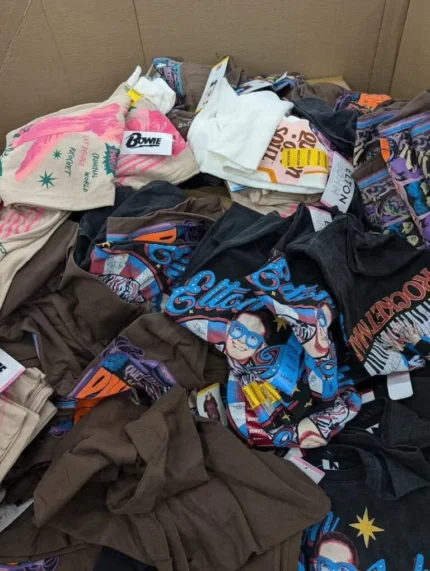
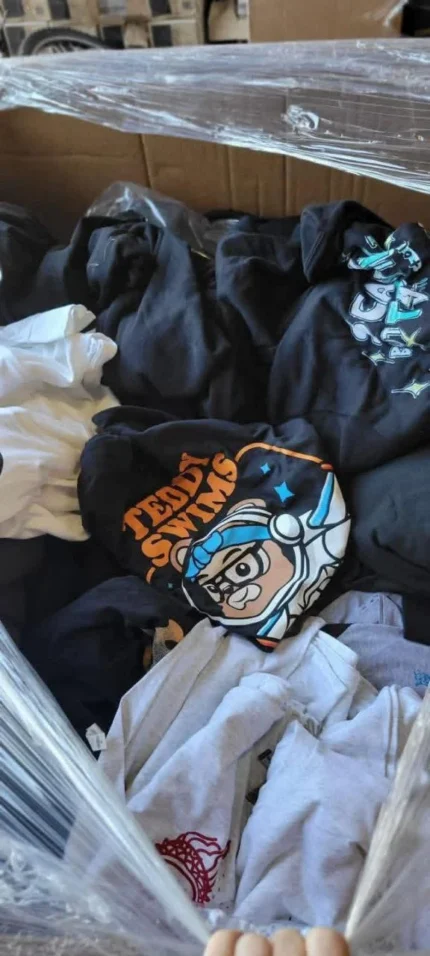
BAND TEES PALLET — ROCK, RAP, METAL & POP ICONS
High-velocity graphic tees featuring fan-favorite artists and legendary bands. Perfect for bin stores, flea markets, boutiques, and online flips.
What’s included:
A strong mix of officially licensed band tees, tour graphics, vintage-style prints, rock classics, metal legends, pop icons, rap favorites, and trending retro designs.
Soft cotton, retail-ready, assorted sizes, mixed styles — easy sellers across every market.
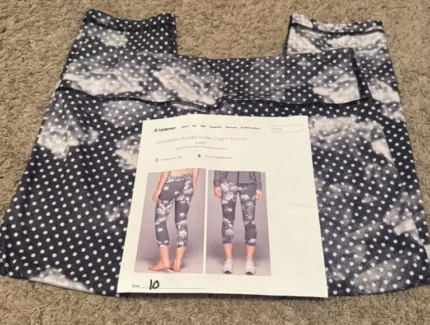
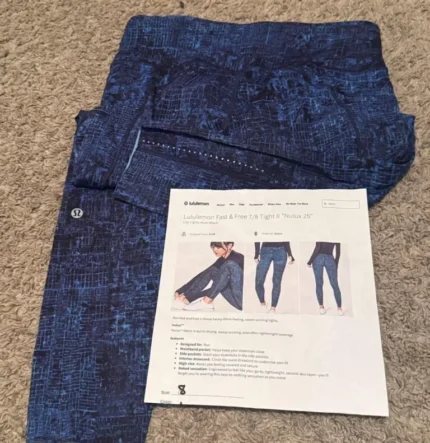
LULULEMON PREMIUM PALLET
Shop Lululemon premium pallets with quality clothing and activewear in bulk. Find wholesale pallet deals for retailers, resellers, boutiques, and online businesses.
High-end activewear loads packed with Lulu bestsellers, core staples, and fan-favorite classics. All mixed styles and sizes leggings, bras, shorts, tops, accessories and more. Fast-selling, high-margin inventory.
What’s included:
A curated mix of Lululemon leggings, Aligns, Wunder Unders, sports bras, hoodies, Define jackets, Swiftly Tech tops, shorts, tanks, accessories, and seasonal pieces.
Great condition, strong variety, and ready for resale across any platform.
Perfect for boutiques, online sellers, bin stores, and premium activewear resellers.
Top-quality loads that don’t sit they flip fast.
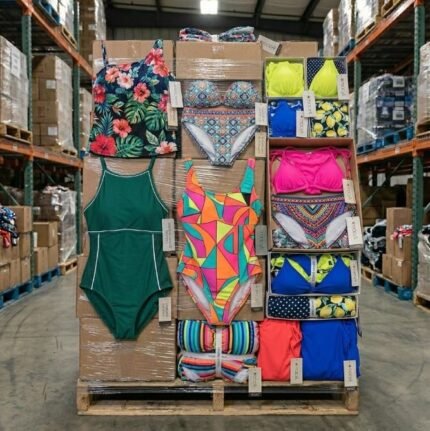
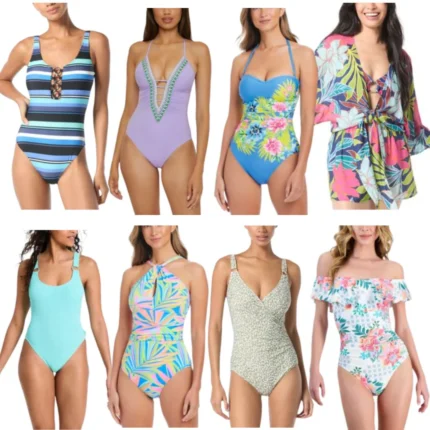
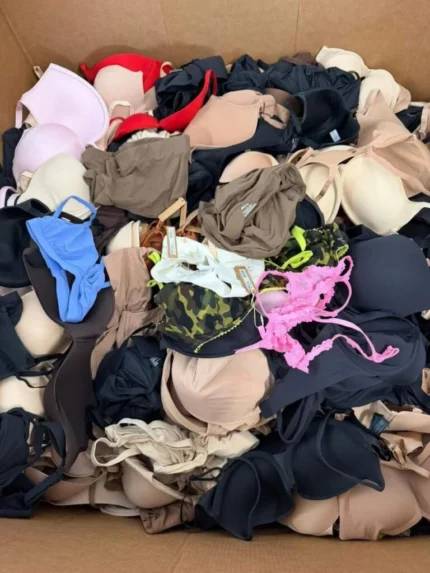
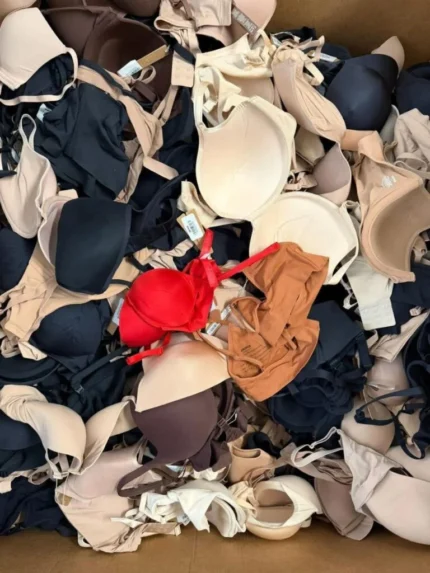
NWT SKIMS Bras Pallet
Premium Shapewear + Everyday Comfort Essentials
A fresh, high-demand load of brand new with tags SKIMS bras viral fits, soft fabrics, and top-selling styles customers buy on sight. Perfect for boutiques, online sellers, and resellers looking for fast-turn inventory.
• 400 pieces per pallet
A mixed assortment of SKIMS best-selling bra styles: bralettes, everyday T-shirt bras, triangle bras, scoop bras, bandeaus, seamless fits, Flex and Fits Everybody styles, and comfort essentials in various sizes and shades. Clean, retail-ready, and extremely resalable.
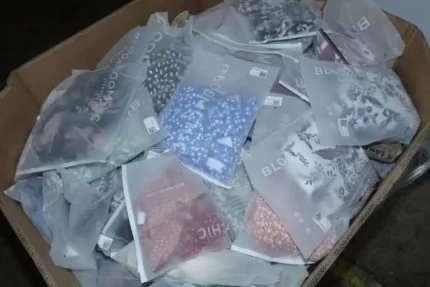
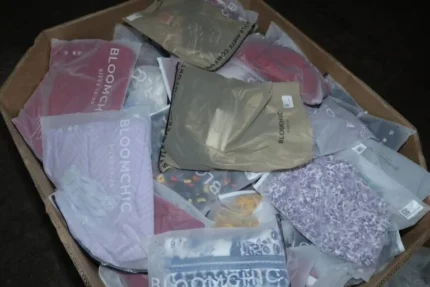
Plus Size Clothing Pallet
Price & Profit Breakdown
- Pallet Price: $750
- Total Units: 300 Pieces
- Cost Per Item: ~$2.50 per piece
- Estimated Retail Value: $6,000 – $12,000+
- Estimated Profit Potential: $5,250 – $11,250+
Example Resale Scenario:
- Average resale price per item: $20 – $40
- Potential total revenue: $6,000 – $12,000+
- Estimated ROI: 5x – 10x investment potential
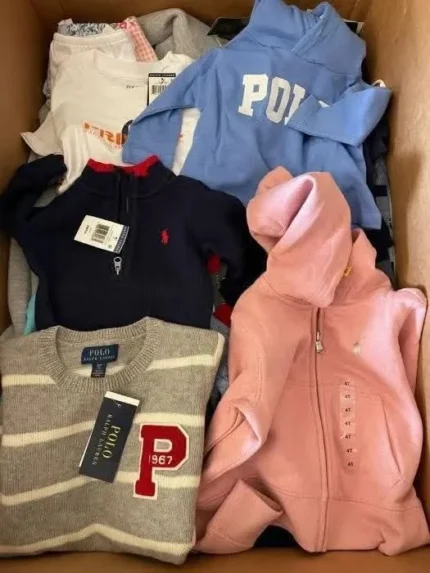
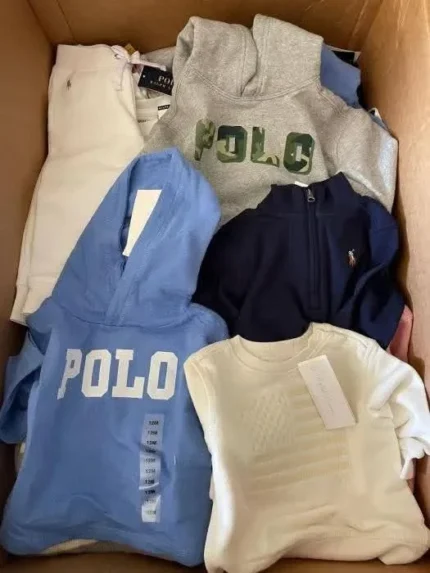
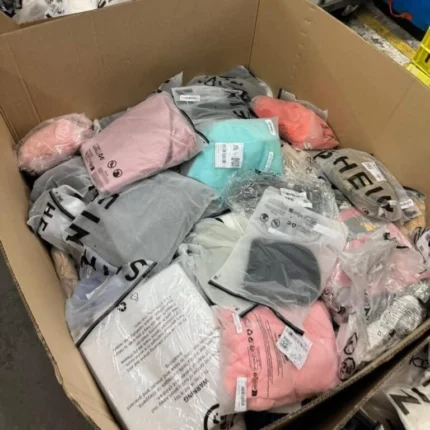
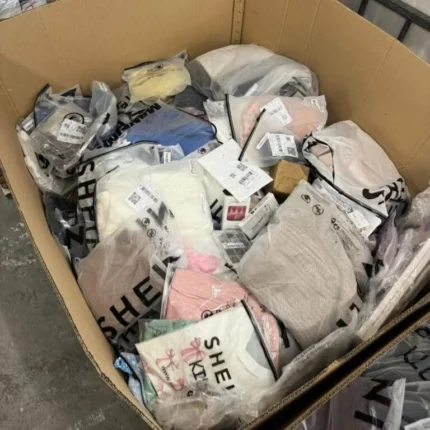
SHEIN Clothing Pallet Bulk Fashion Mix
- This pallet includes 300 pieces of assorted SHEIN clothing on a full pallet
- What’s Inside: A mixed selection of trendy women’s, men’s, and unisex fashion including tops, dresses, two-piece sets, bottoms, activewear, lounge sets, accessories, and seasonal pieces.
- Perfect For: Boutique owners, online sellers, marketplace resellers, or anyone looking to stock fashionable, fast-moving inventory at a low cost.


